How a pilot runs. One flow, one bay.
An AmIMotion pilot answers one question on one part of your floor. It measures today first, so the numbers at the end mean something.
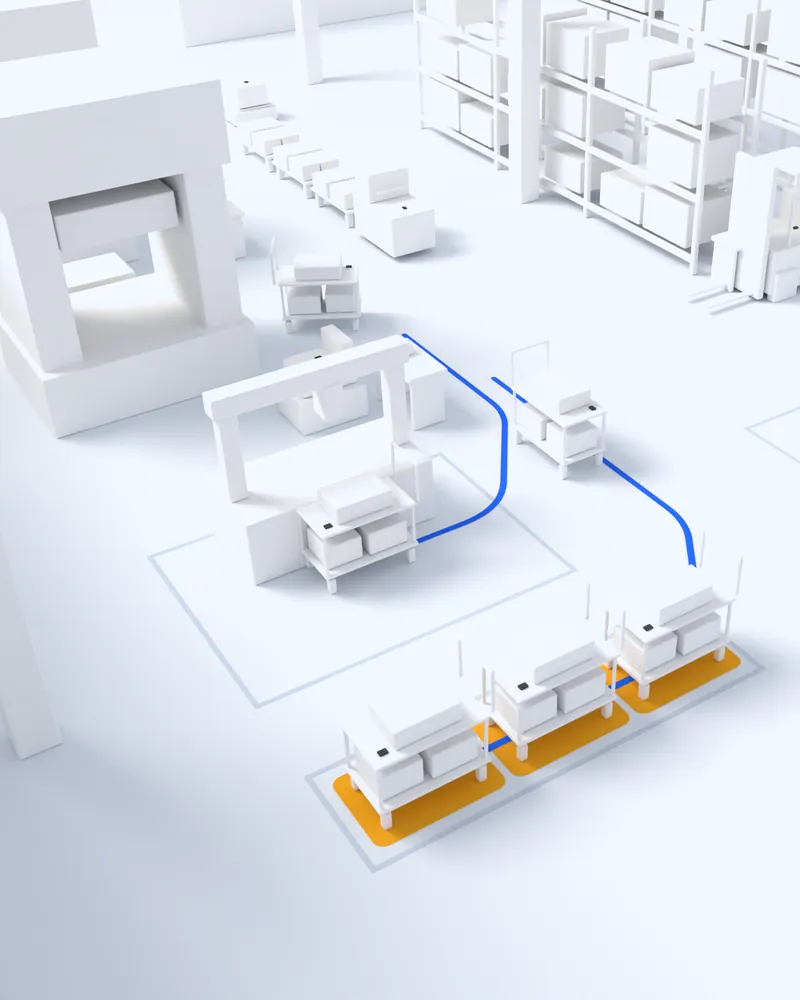
An AmIMotion pilot follows one flow in one bay or line. You choose the flow. The pilot times today's waits first, over a window you choose. That is your baseline. AmIMotion surveys your floor and sets the anchor count. AmIGo tags go on the trolleys, bins and pallets in that flow, not on people. Your team uses the live map during the shift. You see your own waits in one bay, and prove the numbers, before you decide on more.
Plan your first bay.
What does your team look for?
Five steps, in order.
Each step has to hold before the next one starts.
The question
You choose one flow, such as trolleys from the press to inspection. We agree the bay, the zones that matter and the trolleys in scope.
Today, measured
The pilot times today's waits first, over a window you choose. That is your baseline. Before it starts, we agree how to count a wait that runs past shift end.
Survey and install
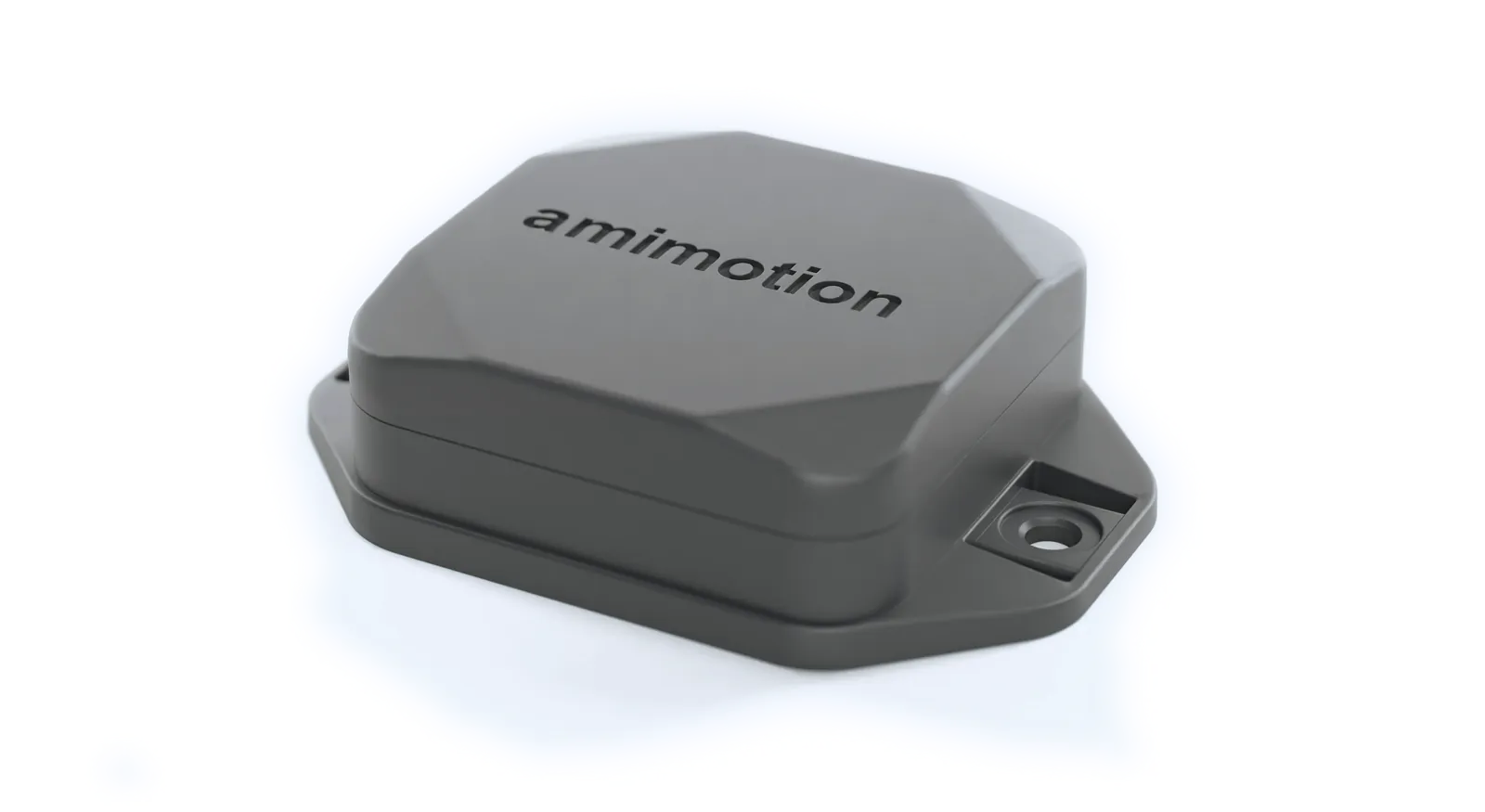
We survey your floor and set the anchor count. The survey looks at your columns, your power points, your racking and your steel, because each changes how far an AmIMo anchor reaches.
Used by people
Your team finds trolleys and sees waits on AmIHub's live map during the shift. We also agree who on your team acts when work waits too long.
A decision
You see your own waits in one bay, and prove the numbers, before you decide on more. If you go on, you grow plant-wide on the same AmIHub, without re-fitting the first bay.
Who does what.
So you know the effort before you say yes.
AmIMotion brings
Our survey and an anchor plan for your floor. AmIGo tags and AmIMo anchors for one bay or line. AmIHub, running on an industrial PC inside your plant or in the cloud. Local engineers on your site.
You bring
One flow you want to see. A person on the floor who owns it. Power at each anchor point, from DC or PoE. The zones that matter, named in your own words.
Your team does
Walks the survey with us. Names the trolleys in scope. Uses the live map in the shift. Joins the review and decides on the numbers.
What the pilot leaves out.
The pilot tags trolleys, bins and pallets, not people. Tagging people would be a separate project. It would need its own policy. People and privacy.
A plant-wide rollout and a second plant are their own steps, planned after the bay. A second plant gets its own survey.
Your MES stays in charge of every job. AmIHub adds where its trolley is and how long it has waited.
Duration and price depend on the bay, the number of tags and the anchor plan. After the first call, AmIMotion shares datasheets, architecture, prices and pilot options under NDA.
Questions teams ask first.
What does an AmIMotion pilot involve?
One flow in one bay or line, chosen by you. AmIMotion surveys the floor and sets the anchor count. AmIGo tags go on the trolleys, bins or pallets in that flow. The pilot times today's waits first, as a baseline. Your team uses the live map in the shift. You see your own waits, and prove the numbers, before you decide on more.
How long does a pilot take, and what does it cost?
It depends on the bay, the number of tags and the anchor plan, so AmIMotion does not publish a standard length or price. After the first call, we share datasheets, architecture, prices and pilot options under NDA.
What if we can't link jobs to trolleys yet?
Start with where each trolley is and how long it waits. Link each trolley to the job it carries later, in AmIHub or from your own system. Until that link exists, AmIHub shows a trolley's wait, not a job's wait.
How is success judged?
You agree it before the pilot starts: the baseline, how a wait is counted, and who acts when work waits too long. At the end you compare the bay's numbers with that baseline.
Will the steel and racking in our bay be a problem?
Racking and steel change how far each AmIMo anchor reaches, so we survey your floor and set the count. With these anchors, AmIHub places a tag down to ±10 cm. How close depends on your floor, and the pilot shows it on yours. How it locates a tag.
Read next.
Put your pilot on one page.Three answers become an AmIMotion pilot brief your plant head, IT and finance can read.Your pilot on one page